Statement of need

The gap is not “no services.” It is incomplete access.

Middle Tennessee has capable legal aid, court programs, specialized nonprofits, and pro bono lawyers. Legal need still exceeds usable capacity. The route from a serious problem to real help still depends too often on money, knowledge, language, eligibility, and who you happen to know.

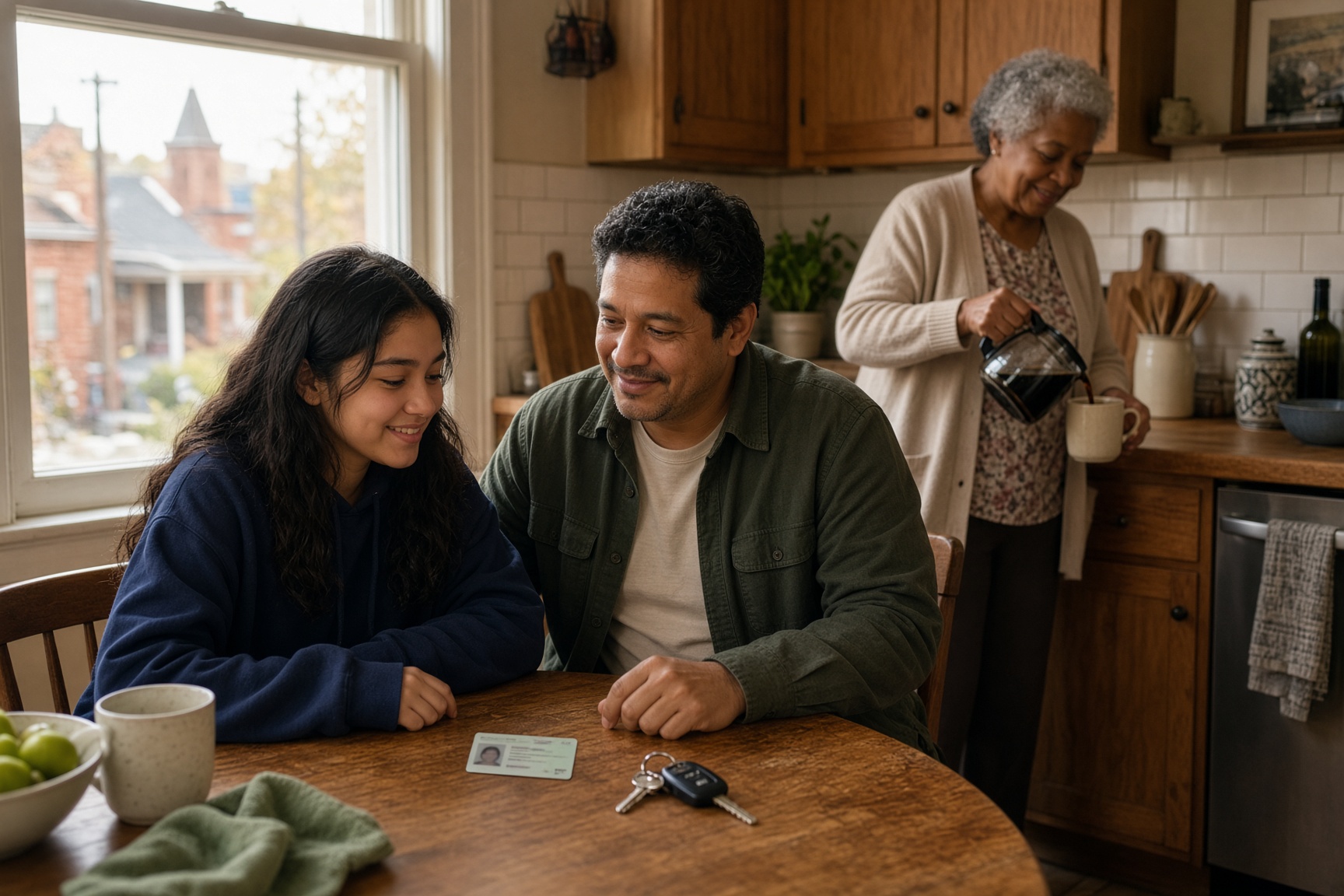
A Latino father and his daughter at a kitchen table with car keys, a Black grandmother nearby.
A restored license is a job, a school run, and a way home.

What the 2025 assessment found

Issue among respondentsShareWhat it touches
Healthcare / medical debt36.5%Coverage, billing, insurance, and related disputes
Family law30.2%Custody, support, divorce, and safety
Housing / property24.1%Eviction, habitability, title, and heir property
Employment / benefits22.8%Denials, wages, and record-related barriers
More than one problem51.2%Legal trouble rarely stays in one part of a life

Nationally, the Legal Services Corporation’s 2022 Justice Gap study found low-income Americans received no or insufficient legal help for 92% of their civil problems. Civil problems are basic-needs problems: a lease, a benefit, a record, a license, a custody order.

Where diligence is pointed

These are not recommendations to move in. They are places where vulnerability, limited pathways, or partnership infrastructure make a closer look responsible.

Franklin & Williamson County

Aggregate prosperity hides pockets of need. Poverty in Franklin is low, but median rent is high, affordable housing is poorly rated, and CDBG planning still names Hard Bargain, Natchez, Cadet, and Hill Estate. Legal Aid Society serves the county from Nashville and cannot take every eligible case. The juvenile court clinic is narrow. The question is the gap between specialized help and market-rate counsel.

Napier–Sudekum

A real relationship, no longer the presumed first site. Bass, Berry & Sims and Legal Aid Society launched a 37210 clinic at Pruitt Library in October 2025. DLG enters only if local partners name a specific gap—follow-through, a practice area, or warm referral—that this program is suited to fill.

North Nashville, Antioch, Madison, Bordeaux

Higher poverty and food insecurity justify listening, not an automatic clinic. Provider density, immigrant-service specialists, and new community hubs have to be mapped first so DLG does not duplicate what already exists.

What we will not claim

  • No neighborhood has a published “X% legal need” figure. ZIP-code poverty is context, not a legal-needs census.
  • No organization named here has agreed to host or partner. Those conversations come first.
  • DLG will not reproduce immigration practice, domestic-violence court advocacy, or a clinic another firm already staffs.